
Anemone blanda – Balkan Anemone, Grecian Windflower
Explore Anemone blanda (Balkan Anemone) – its characteristics, habitat, cultivation, propagation, and functional uses and benefits.
Anemone blanda | Botanical Characteristics
Common Names: Balkan Anemone, Grecian Windflower
Family: Ranunculaceae
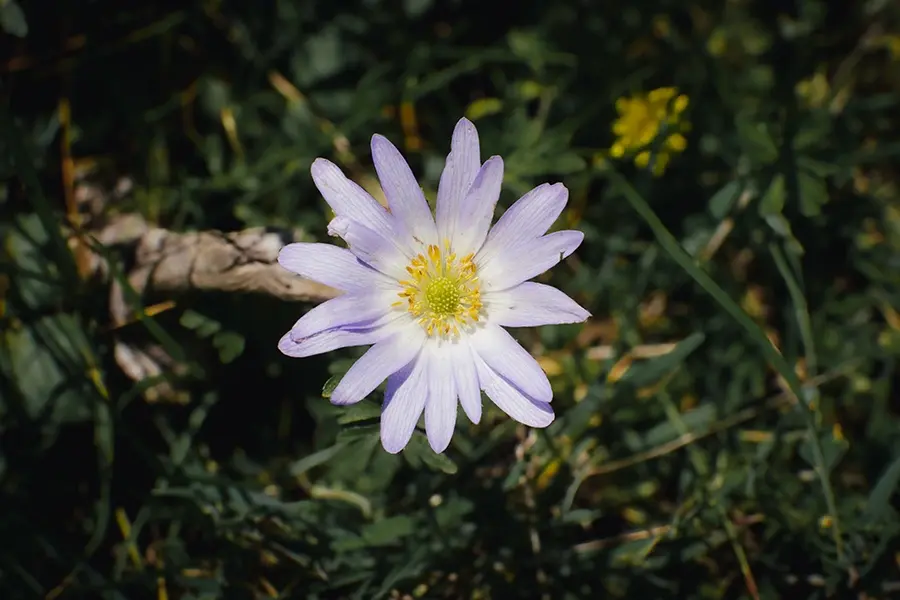
Appearance: A low-growing tuberous perennial with finely divided, fern-like leaves and daisy-like flowers in shades of blue, pink, or white with yellow centers, appearing in early spring.
Type: Perennial
Evergreen / Deciduous: N/A
Layer: Groundcover
Root System: Tuberous storage organ with fine roots
Height: 0.1–0.2 m
Width: 0.1–0.3 m
Lifespan: Long-lived
Growth Rate: Moderate
Fertility: Self-fertile
Flowers: Hermaphroditic
Pollinator: Bees and other early-season insects
Toxicity: Contains compounds that may cause skin irritation and is toxic if ingested
Anemone blanda | Habitat and Cultivation
Range
Native Range: Southeastern Europe and western Asia
Companionship: Suitable for woodland edges, under deciduous trees, and mixed bulb plantings; coexists well with other spring ephemerals
Invasive Range: Not considered invasive
USDA Hardiness Zone: 4–8
Minimum Chill Hours Required: None
Resistance/Tolerance
Poor Soil: Moderate tolerance
Drought: Low tolerance during growth; tolerates dry conditions during dormancy
Shade: High tolerance
Flood: Low tolerance
Wind: Moderate tolerance
Maritime: Moderate tolerance
Air Pollution: Moderate tolerance
Fire: Low tolerance
Thriving Conditions
Sun Exposure: Full sun to partial shade (best in spring sun before canopy closes)
Soil Moisture: Moderate during growth; dry during dormancy
Soil Type: Well-drained loam or sandy soils
Soil pH: Slightly acidic to neutral
Propagation
Seeds: Possible but slow
Division: Yes – division of tubers during dormancy
Cuttings: Not applicable
Anemone blanda | Functional Uses and Benefits
Permalogica cannot take any responsibility for any adverse reactions or health effects from using plants. Always consult a professional before using plants for medicinal purposes.
Edible: No
Medicinal: Toxicity restricts safe use
Cosmetics: No
Animal Feed: Not suitable
Fiber: No
Timber: Not applicable
Firewood: Not applicable
Wind Break: No
Fence: No
Cover Crop: No
Mulch: No
Nitrogen Fixer: No
Dynamic Accumulator: No confirmed data
Pollinator Attractor: Yes – early-season nectar source
Pest Repellent: No
Wildlife Supporter: Provides early nectar for pollinators
Sign up for our newsletter or connect with us on social media to stay up-to-date with our latest posts and permaculture inspiration.
Explore our inspiring series and posts:
Love the post? Share it with your circle, inspire your people: